There is a considerable amount of controversy surrounding the issue of the saturated fat, cholesterol and heart disease these days. Certainly it seems that cholesterol on their own is a poor predictor of heart disease.
And, to add to this confusing jumble, a new study published in the journal Annals of Neurology suggests that cholesterol has little or no causal role in the development of ischemic.
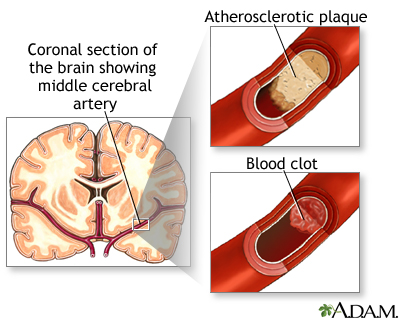
Conventional advice says that you one of the risk factors for ischemic stroke, high cholesterol levels (when the blood supply to the brain is blocked by the buildup of fatty deposits in the blood vessels).
14,000 men and women were followed by more than 30 years. Researchers analyzed the relationship between the levels of cholesterol and the risk of ischemic stroke. No found no relationship at all in women and any increased risk of stroke in men, less than high cholesterol 9.0 mmol/l (348 mg/dl) or more.
Levels of triglycerides and risk of stroke
Researchers also examined the relationship between the levels of triglycerides and risk of stroke, and discovered that when the risk of heart attack increased triglyceride levels was higher, too.
So, it seems stroke is more closely related to the triglycerides of cholesterol, but if higher levels really cause a stroke is still unknown.
Curiously, previous evidence has linked the triglycerides with increased risk of heart disease and stroke. The researchers concluded,
Download both lipids more benefits to reduce LDL-C only. SourceSo, how can we reduce triglyceride levels?
Maintain a healthy weight.Be more active.Avoid high consumption of carbohydrates, especially the simple sugars. Limit the intake of alcohol.Quit smoking.
The Government guidelines recommend a diet low in fat and high in carbohydrates, but if you avoid consumption of carbohydrates high is beneficial for triglyceride levels, perhaps conventional nutrition boards require a renewal - what is your opinion?
Image source: Kurhan